bklyn

FREE Brooklyn

icm 506 module 9 SLIDE SHOW icm 506 module 9 SLIDE SHOW

Problem Statement:

Brooklyn neighborhoods are gentrifying rapidly. Areas that use to house projects and lower income families are quickly seeing high rises, condominiums and townhouses appearing – and they see their rent and taxes growing as well. More often than not they sell their property to developers for significantly less than its actual value, and they have no idea they are being swindled out of their property.  Then they are forced to move into different areas that may have more crime and conflict then their original neighborhoods.

Idea:

We help provide free facts, resources, education and economic knowledge to the residents of Kings County, Brooklyn. We ask lawyers, real estate agents and accountantsto provide pro-bono work for our organization and help residents in gentrifying neighborhoods understand how much their property is really worth.

We are F (facts) R (resources) E (education) E (economic knowledge) Brooklyn.

Introduction:

Homelessness. Helplessness. Hardship.

Brooklyn is a borough of New York City with dozens of different neighborhoods. It has seen many different faces over the last 400 years and constantly been changing, each period has left behind its unique mark.

In the 1970s into the 1980s the borough of Manhattan was a scary place to be, filled with drugs, prostitutes and gangs causing residents to flee the city. Developers eyed this new trend and sought to capture the new markets. The old brownstones in Brooklyn, while decaying, became significantly more appealing. While Brooklyn had its own crime troubles, developers began slowly with one neighborhood at a time.

Before you knew it housing that was once cheap and easy to rent was attracting attention from the affluent Upper East and West sides and droves of people were moving down to southern New York City- just what real estate developers wanted.

But what happens to the people who were there before them? The people who didn’t make six figures a year and were happy with their local neighborhood; its mom and pop shops, local news papers and in some communities English wasn’t the first language.

The developing happened slowly, methodically and was well done by developers. Starting slowly in communities, flipping brownstones and offering in some areas the possibility of rent control on a newly renovated buildings was enough to keep residents happy.

But sometimes management gets turned over in a few years or the building becomes a co-op or “goes condo” and all of a sudden these long standing residents have no way of paying an extremely higher rent in a short amount of time.

Project Description:


What FREE Brooklyn wants to do is make sure that all residents of Brooklyn have access to real estate knowledge.  We want them to understand legally what is available to them, and what possible future actions could be taken against them. What their real estate rights are and what it means for the future of their family. We want to give them non-biased real estate information and help with their financial questions. And we hope to do this in whatever their first language may be.

We want the playing field to be fair. We want a FREE Brooklyn.

We want to assemble a Board of Directors from all different professions and neighborhoods from Brooklyn. They would be leaders in their respective fields and have a genuine understanding of what their community needs. They would lead the non-profit in the majority of its decision-making, and have varied opinions based on their experiences and what to move forward with next. The strength of the Board is also integral in helping find lawyers, accountants and real estate agents do pro-bono work for the initiative. We would rely on their previous involvement in their communities to form these connections. Finding a Board that we can rely on with this plan would be one of our first big hurdles.

The second biggest hurdle is funding. First there are obvious out of pocket expenses – travel time, getting the word out there, probably some various forms of printing (whether it be posters, flyers or small ads in local papers). Before you can even start with KickStarter people need to know you’re starting. This is where networking will play a huge role, our first members would start to become involved in other non-for-profits that are trying to help the people of Brooklyn:

Red Hook Initiative

Cobble Hill Tree Fund

Cobble Hill Life Care

Families First Brooklyn

Atlantic Avenue Local Development Corporation

Just to name a few. While there might be competition for resources, there is still more power in numbers. This would take some time to garner attention but necessary to gain a good reputation; then comes the KickStarter.

At this point we would have our volunteers also attending town hall and chamber of commerce meetings – trying to get to know various communities, their main merchants and their local politicians. We get to know them and they get to know us, mutual relationships begin to form and the word has the ability to spread organically. These relationships may also help us form the appropriate Board of Directors.

We also have a dynamic social media plan. We will highlight local businesses using by using hashtags and directly mentioning them in our FREEBrooklyn blog posts. We will have a presence on: Facebook, Twitter, Instagram, Pintrest and Google+. We will shop local, eat local and be local. By joining the community will establish ourselves more firmly.


And if we believe in our cause, speak from the heart and move in the right direction we may have a beginning of a project that could really help the community.

To invest in us in investing in a better Brooklyn and a better way of living for residents who haven’t had the access to the resources they need. Whether they lack in education or cannot speak English every resident of Brooklyn deserves a fair place to live and we want to help them achieve that.


Budget:

The biggest fiscal challenges are space, office supplies and marketing. The space needs to be accessible to the people we are trying help, 3-5 office staff members and a place for our board to have meetings.

We will spend a fair amount of time figuring out what neighborhood in Brooklyn we want to have our office in; we need 1300-1600 square feet and have to allocate at least $4,000-$10,000 a month in rent.

Office supplies range from $150-1,000 depending on the month with a yearly budget of $5,000; at the end of the fiscal year this would be reviewed incase we are under/over allocating in certain supply areas. There is a separate budget for outside printing of $3,000 a year; also to be reviewed in June.  Outside printing are for flyers, posters and possible advertising opportunities.

We want to hire an Office Manager, a Development Director (preferably who would have some background experience with Marketing and Advertising) and a Social Worker. When we gain the funds add one or two more Social Workers, a Finance Manager and a Public Relations Director. The additional staff will be directed by the Board of Directors.

The payment is range based on level of experience:

Office Manager: $30,000- $37,000 a year

Development: Director $65,00 – $75,000

Social Worker:  $45,000, $55,000

About:

My name is Alicia Strain, and I’m looking to help the community members of Brooklyn. I have been working for a non-for-profit Hospital in their Marketing and Public Affairs department for the last three years, and have developed a keen understanding of the non-for-profit world. I routinely work with our Finance department and have created yearly budgets for the purposes of advertising and development in the community. I also have experienced working directly with under-privileged families by volunteering my time at the Family and Children’s Association; this organization helps families gain access to education, avoid homelessness and helps both seniors and veterans. I have also devoted time to the Women’s Fund of Long Island in their development office, this non-for-profit helps promotes and gives access to education for the underserved female community on Long Island. I have also volunteered Sara Holbrook Community Center in Burlington, Vermont during my time there. I have been in the Brooklyn community for about a year now, and can already see the need for an organization to help promote education and awareness for families. And I want to get it started today.

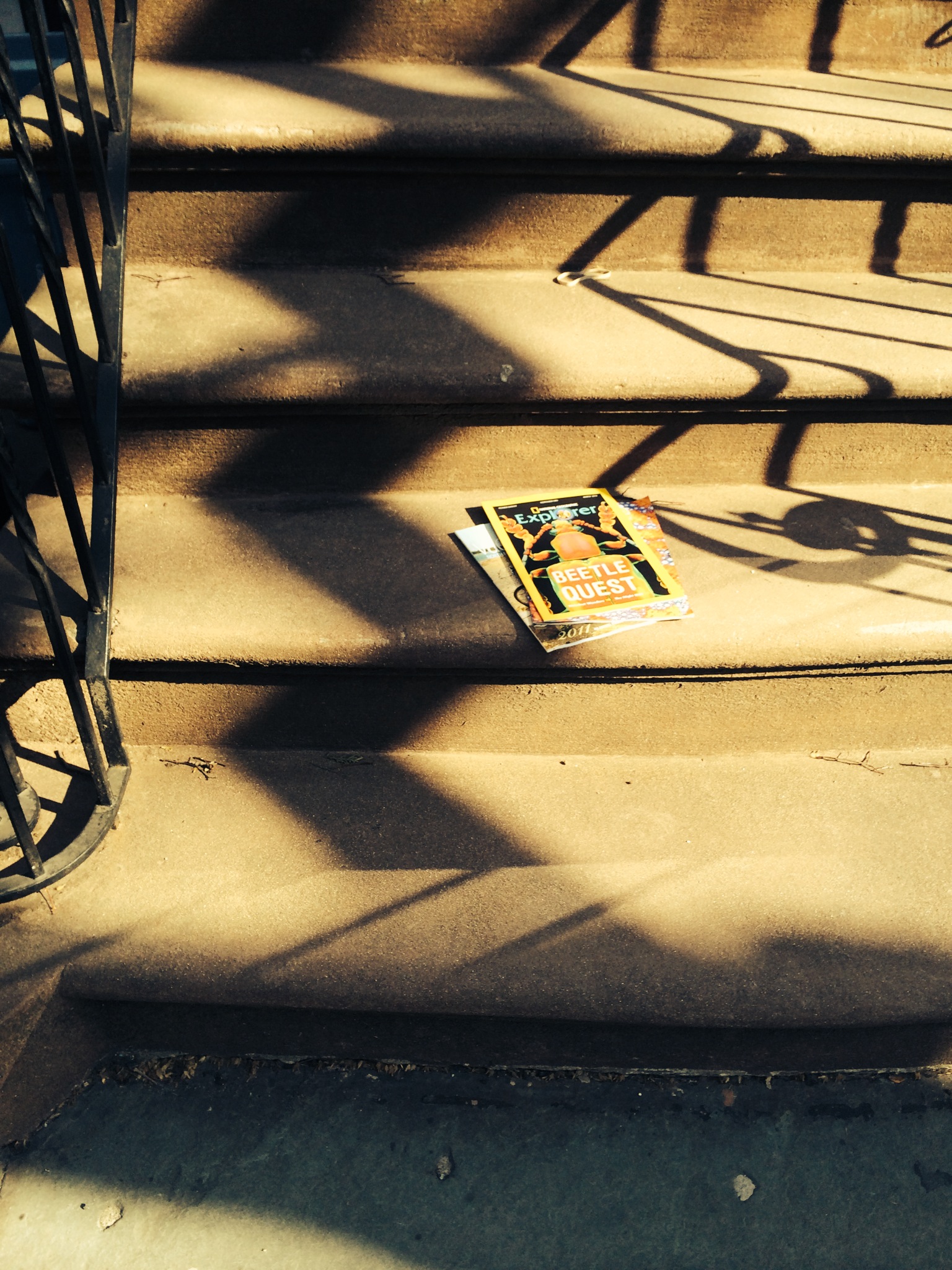
 

Brownstone Garage Sale


I moved to Brooklyn last May and the entire month was a blur. We had a frenzy of moving, and all of the noise that comes with it. I didn’t take in my surrounds as carefully as I do now. Then all of a sudden it was 90 degrees and every chance I got I escaped the concrete jungle.

Some places don’t have steam coming up from the streets.

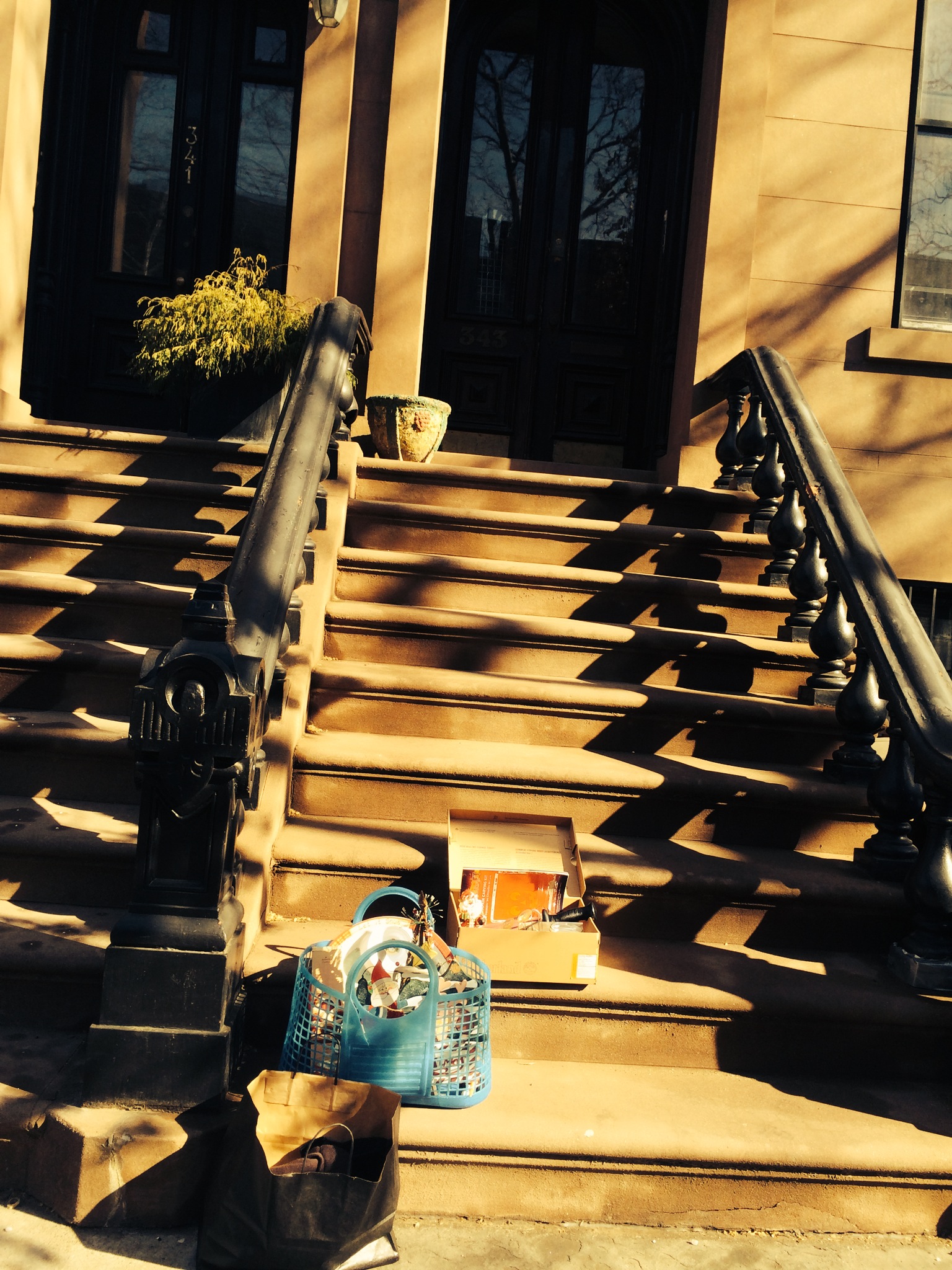
As the sun emerges and the temperatures are rising in the mercury I’ve started to notice a few interesting things. One of which is something that doggedly sticks in my head as the “Brownstone Garage Sale”. I use the word ‘doggedly’ because these are not sales or in garages.

I guess more appropriately they are Brownstone Stoop Giveaways – but for some reason that’s just as much fun to say.

IMG_0643 IMG_0644

I know in a lot of places the act of placing free items on your lawn is illegal and in violation of city codes. I haven’t looked too heavy into the stoop laws of Southern Brooklyn, but it seems like this is an accepted act.

I unfortunately do not have the fortune to live in a brownstone, so in this sense I feel slightly isolated from the community because there is no upcycling in my future.  But I have had the pleasure of seeing some pretty interesting things.


Who knows I could probably write an entire blog on stoop treasure hunting, best loot finds and most fruitful blocks.

This has been a fun find for me, and especially interesting because it’s marking the drastic turn in season here. And it’s one more little quirk I get to discover as I’m walking these streets.

The communal nature of this act is one of the hipster/yupster of the environment that I’m living in, and one that is difficult to find in an urban space. I want to find out more about it.

IMG_0645 IMG_0648 IMG_0649

The Palace Hotel poster was pretty tempting.

Midtermed

Halfway through this class.

I think I could have been a bit stronger in certain areas, a little more certain that I had something to say. Tighter even.

I want to stick with Brooklyn, I still want to wander the streets knowing and looking for things to absorb. As the weather gets nicer I think it will be easier to find the right words that I want. I want to use Brooklyn as much as I can to move me forward in my writing, and realistically just inspire me to move forward in general.

I look forward to my adventures and finding so much new information about my neighborhood, my borough and even my city. From learning that Cobble Hill was not named after a hill full of Cobblers to what makes a restaurant time and thrive in a neighborhood.

I’m realizing I like learning what has made this borough thrive in the past and how many different generations have occupied it. There have been so many things that have left their mark and so many that have vanished. It’s been incredible to uncover some of the little stones.

I do want to try for a bit more focus in my post, make them stand a little stronger; so that’s really what I’m going to try to do with the next few weeks. Make you feel the passion and the beauty of Brooklyn all in one literary sitting. Wish me luck.

I want it to keep going.

I don’t want to stop exploring.

I don’t want to give up my excuse to.

I want to move forward.

Wiki, Christ Church

Christ Church (or the Old Christ Church) is a Episcopalian congregation located on 326 Clinton Street in Cobble Hill, Brooklyn. It was founded in 1835 when there was a call for a Christian organization in some of the newly incorporated towns in Brooklyn. It was then consecrated in 1842 and currently has a congregation from Brooklyn Heights, Boerum Hill, Carroll Gardens and Cobble Hill neighborhoods.

History and Architecture

While building finished in the 1840s it was commissioned to be renovated in the 1910s. Christ Church then became well known for its Louis Comfort Tiffany altar, pulpit and windows. Tiffany was renown at the time for his work with Church windows. In 1939 a fire ripped through the church destroying most of its interior forming a need for further renovations. Most of the Tiffany interior, however, did remain in tact.

Along with most of Cobble Hill, Christ Church received historical preservation and landmark status in the 1960s.

In the early 2000s members of the congregation met when lightening first struck the roof causing damage and then met again after an earthquake shook the church in 2011. Concerns over the structure of the church were raised and renovations were made.

In the summer of 2012 heavy lightening storms initially damaged the roof of the church creating the need for further renovations. The strength of the storm caused part of the structure to fall and fatally injure a man in his 60s, once again calling the congregation to met about safety standards.

Then in the fall of 2012 Hurricane Sandy ripped off the part of the roof that was under construction, which cause significant damage to the interior. A group called the Friends of Christ Church help generate support for the restoration of their community parish.

Community Events

Christ Church host a variety of community events and is an active participant of the Cobble Hill Asscoaiton, some of its partners include:

  • The Canoni Chorale
  • The Cobble Hill Tree Fund
  • The Cobble Hill Association
  • The Clinton Street Block Association and annual Block Party
  • Linden Tree Pre-school
  • The Vertical Players Repertory Opera Company
  • The Cosmic Bicycle Theatre and the ClockWorks Puppetry Studios
  • The Cobble Hill Ballet School
  • Opera Feroce
  • The Young Actor’s Workshop
  • Music Together
  • July 4th annual neighborhood BBQ
  • Dalcroze Music
  • Integrity-Brooklyn
  • The Children’s Shadow Puppet Workshop
  • Gymstars
  • Summer Ballet Camp
  • The Cobble Hill C.S.A. Food Co-Operative
  • The Cobble Hill Health Center
  • Long Island College Hospital
  • Alcoholics Anonymous
  • Food and Winter Clothing Collection with C.H.I.P.S. (Christian Help in Park Slope)
  • CHANYS Assemblywoman Joan Millman

Christ Church celebrates all seasonal religious events.  The parish uses a garden on Clinton Street that it maintains with its “Garden Volunteers”.

The parish is a part of the Gotham Early Music Society series, and yearly Christmas caroling through Cobble Hill. 

The church also provides counseling for families, and has an attached school for special needs children.

The church hosts weddings, baptisms and regularly holds weekly services.

As of February 2014, parish services are still being held at the Kane Street Synagogue until the renovations and repairs are fully completed.

Photos:

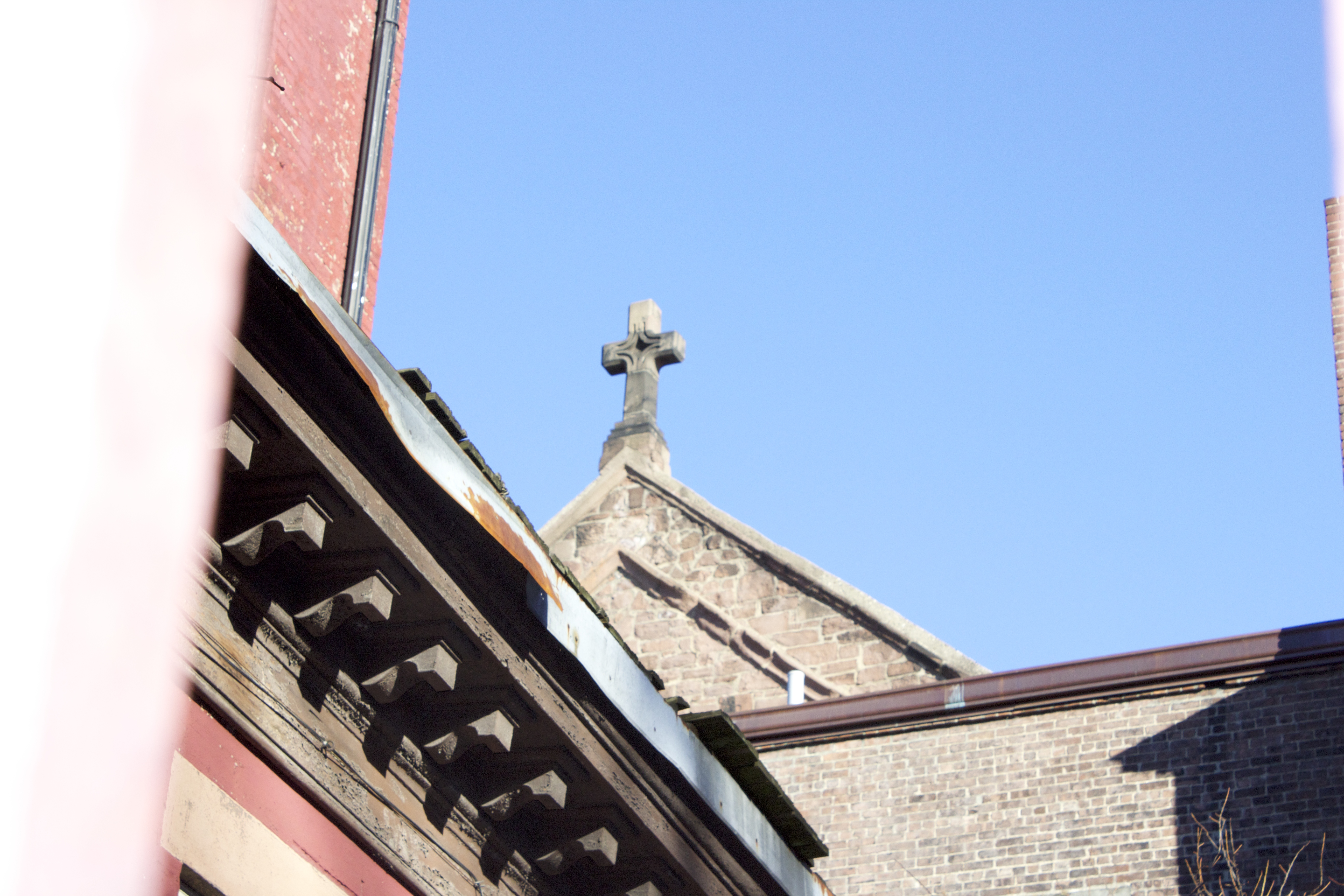
Church images Church roof

Originals, Bklyntenant 2014

Sources:

http://cchf.tripod.com/index.html

http://www.fccch.org
http://online.wsj.com/news/articles/SB10001424127887323848804578605850058471288

Walking Brooklyn:, 30 tours exploring historical legacies, neighborhood culture, side streets and waterways. Onofri, Adrienne; 2nd Edition 2009; Wilderness Press, Berkeley, CA

Sam’s

This weekend I did not waste the 50-degree and sunny weather.

I walked a bit, I thought a bit, I researched a bit, snapped a bit and ate a bit. I could feel myself reacquainting with that old #cobbled feeling and all I could think was “Thank god I didn’t forget how to type properly formed sentences because of perpetual darkness”.

Wall Street/Brooklyn waterfront

I am realizing as I look more into Cobble Hill, I am finding one dominating fact – “Historically an Italian neighborhood.” Having a community with a common cultural identifier is not unique to any one city, but some have stronger roots than others.

Why is Cobble Hill historically an Italian community?

There are certainly other neighborhoods that blare their Italian roots in all five boroughs; from Little Italy (obviously) to Staten Island, their origins as cultural enclaves are pretty clear.

I want to find out about Cobble Hill.

Long story short, I didn’t get any immediate answers this weekend. But I did start somewhere fun.

Sam’s.

I wrote about picking a pizza place so I decided to use my list and pick a pizza place. Except I didn’t actually get pizza, and I got distracted by a very talkative bartender.

Sam’s is old school. The waiter knew all the little kids sitting at the booths, chatted amicably with the parents about a variety of things from church to soccer (or football; even though I’m pretty sure the parents had no idea he was talking about European football).  The bread was put on the table with a warning not to eat it – you better make sure you have room for the pasta. A phrase and warning I had only ever heard from my friend’s Sicilian grandmother.  I loved every minute of it.

Don't eat the bread

I went for comfort. I went for meatballs. No regrets.

Meatballz

Sam has been around since the 30s and it shows; years of history could be felt on its walls. It’s one of the last comfortably warm and low key Italian places on a street that is slowly filling with trendy upscale restaurants; but it was a start for me to see why Cobble Hill is a historically Italian because it’s historically Italian.

3 generations

So starting the search, figured some historically Italian food could only inspire me.

Snip Snip

Facebook:
Bklyntenat is a place to come find pictures, restaurant reviews&links, connect with people in your neighborhood and find interesting events and concerts. She explores the Brooklyn to help you find exactly what you’re looking for, and then you can hop over to her blog to find out more information about specific neighborhoods.

Twitter:
Ask quick questions about all your favorite Brooklyn spots!
Foodie joints, concert updates, new architecture and other fast facts about Kings County!

Instagram:
The deliciousness of all things Brooklyn

Wikipedia:
Bklyntenat started as a school project that quickly exploded as a new voice on the ever changing Brooklyn scene. Now a respected food reviewer for several publications – including Edible Brooklyn, she also speaks about architecture and the history of how neighborhoods developed. Know for her authentic voice, she is a presence on the Brooklyn scene.

Back to being #Cobbled

So we’re back to the Cobble Hill Towers. Frank Farella sees the possibility of these towers in the late 1970s/early 1980s – at a time when many people had given up on these once important now decrepitating gems.

He buys the Towers then goes into business with these guys, Hudson Inc. This company also saw the potential in revitalizing the New York skyline. And bringing back housing that wasn’t filled with prostitutes or drug users, but most importantly, was affordable.

These buildings were a bit of challenge though. They had gone through several rough decades, and had multiple apartments that were uninhabitable. A big reason for these destroyed apartments was the buildings original layout – it had been designed with open stair layout. This, back in the 1800s, was to prevent fires. In a crowed tenant with only one staircase – fire was a regular visitor and it quickly meant death.

But these apartments were costly “fixer-uppers”.

12scapes-600

But with the combination of a major NYC real estate group and a developer who saw both the potential and historical significance – the Cobble Hill Towers were born again.

The Towers are interesting not only for their long history and importance; but they were also one of the beginning projects for the Hudson group.  Hudson has had a significant impact not only on the Manhattan skyline, but has rapidly been increasing the Brooklyn one as well.

Bringing housing that is affordable, but also has proper living conditions is like giving a neighborhood a ridiculously good makeover – maybe one like Beyoncé would get on her day off.

This is what changes neighborhoods. This is how it begins. So I’m glad we got started. Let’s see what’s next.

———–

I’m thinking something about food. Anyone interested in a specialty? I’m kind of in the mood for some jalapeño maple corn bread… 

Staples in the Neighborhood

A bird chirped in Brooklyn! Yesterday morning I woke up to a bright window and the normal BQE (Brooklyn-Queens Expressway) noises and then realized some of the sounds I heard had been a bird. I listened further and sounds of tiny little baby birds! Polar vortex surviving baby birds!

Groundhogs can say what they want about the spring coming, but PVS baby birds sing the rest.

So like I said, I had a whole post planned that just didn’t work out. It should be noted that at some point Port Authority history is coming your way. Now that might not sound particularly interesting – I realize its heavily large ship related; but some gangster stuff, some old school political machine stuff (think Tammany Hall) and some other stuff-stuff might be included. These are all just thoughts until the weather allows me to wander around without fear of slipping on cobbled streets.

So I scrambled for something new to say, did some errands and looked around. I had a photographer friend once tell me, look for the shapes that will form the picture. I figured this post could be similar, let me see the shapes in my writing.

————

I live near a number of pretty impressive buildings, one of which are The Cobble Hill Towers. Originally built by Alfred Tredway White, who was a developer and architect that created a number of housing buildings (not projects) for city dwellers in the latter part of the 19th century. These buildings were intended to house workers who were in the shipyard, building unions or a variety of other menial jobs in the metro area.

You have to remember the other choices at this time included Lower East Side (LES, going forward) tenements. It doesn’t really seem like a tough choice when these buildings in Brooklyn included backyards and other open air spaces not as easily found in Manhattan during the 1800s.

These buildings were both an architectural statement and a statement that New York City stood for all of its inhabitants; and that they all deserved a decent place to live and play. It was a game changer for both new immigrants, but also those who had faced the dreary life of the LES. These Towers wanted to show there was a place where the American Dream was possible to all those who wanted to reach for it.

These Towers gave their inhabitants hope, and created a neighborhood along with it. Children were able to play in their inner courtyards, a novel feature in the late 1800s for NYC’s poor citizen; and all tenants could lend a hand. There was also protection for the outside dangers and exposure to violence, drugs or other street professions.

Things change.

The 1970s affected Brooklyn the same as the rest of the city. Long time dwellers of the Towers were secured in their rent-controlled apartments (meaning what they paid for rent did not match the inflation value of their apartment), coupled with the rising cost to heat the buildings because of the gas/oil crisis made it difficult to financially cover the routine maintenance. Apartments were empty, residents were cold, there was no money. Squalor had returned to #cobbled Brooklyn.

But where there is a developer with a dream, there is a possibility.

Next we’ll talk a bit more about Frank Farella, the actual architecture of the buildings and what happened to the towers. Pictures included!

Simply wandering,
bklyntenant


————

I’m definitely looking for constructive criticism on this post – was it boring? Not informative? Too long? Too short? No direction? No theme? Weird transition? No interest in hearing what happened to these staples? No idea why they were/are important to Brooklyn? (well that one will be more clear in the next post)

Mini-Post

I had a whole plan for today, including what my post would be about and then writing it and then having two days to edit it. But sickness got in the way. A whole lot of sickness up in this apartment. But tomorrow is a new day, and ideas are already perculating up in my mind space.

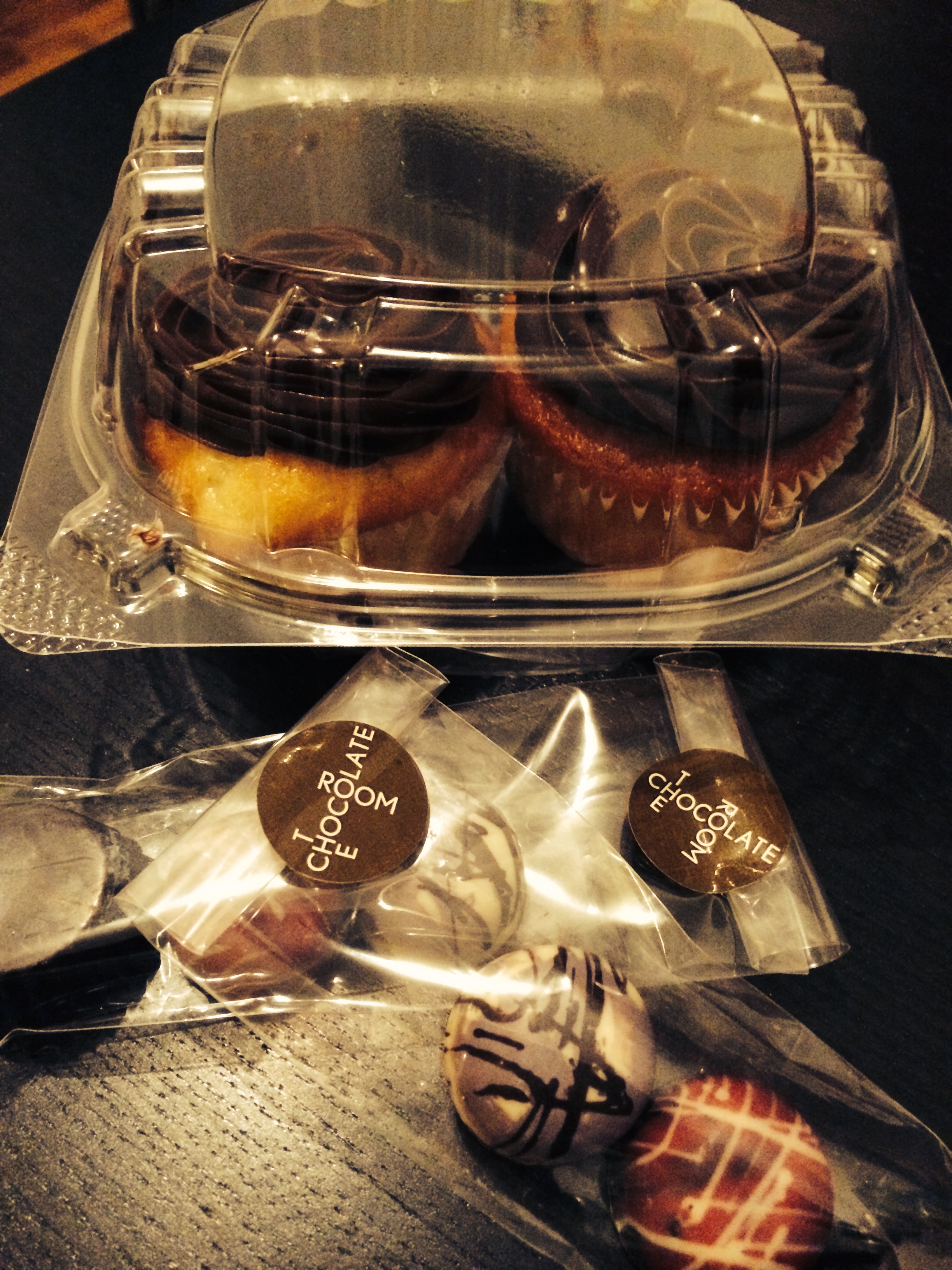
But I did want to share some honest generous (and fearlessness of the sick) general goodness a friend brought for me:

yum.

Cupcakes! Chocolate!

Here is your first taste of Brooklyn on this blog. Enjoy its virtual deliciousness. I ate the tangible.

heres to a good nights sleep,
bklyntenant

To Argue

I was called a ‘Yuppie’ for the first time when I was 17 years old. It was the first time I had ever heard the term outside of a John Hughes movie, and I literally had no idea of the connotation behind it. Was I being insulted? Or just routinely labeled? At the time I let it go, the social situation was a new one to me and I wasn’t about to bring more attention to the fact that I didn’t fit in. I was surrounded by people who came from a place I hadn’t experienced before and used terminology, such as ‘flatlanders’, that I had never heard before.  I came to realize they were not particularly fond of my ‘flatlander’ background or so-called ‘yuppie’ culture. For those of you who missed the 80s, with the knowledge from only watching movies, I figured out it means “Young Urban Professional” or something similar to that. It’s applicable to those who survived their hippie, conservative, veteran or other Baby Boomer stereotypical parents to then move to the “Big City” and garner fast paced monetary focused jobs – generally (or so I thought) in the 1980s. I learned then that this is a term still alive and well.

I have no opinion on yuppies, nor will I disclose if I may or may not actually be one. Perception is everything.

Where am I going with this? Gentrification*. The 1980s meant a lot of things for New York City. After the cusp, with some social issues still thriving, of the race riots, civil rights protests, porn in Times Square (can I, a millennial imagine such a thing?!) and the AIDS epidemic, the Mayors of New York City made some drastic changes. These changes led Manhattan to becoming a tourist destination and a family friendly city again. Neighborhoods which once would have been dangerous to walk through now had attractive apartments, food and culture looking to serve a new generation who hadn’t fully experienced the 1970s in NYC.

Now that speaks for Manhattan. Which is only partially the subject of this post, and maybe occasionally in this blog, but it gives a very general introduction as to why New York City and its boroughs began to change. Brooklyn is experiencing a similar revamp, although slightly later and varied heavily by neighborhood. Queens is experiencing some remodeling as well, and to be honest the Bronx is so far north I forget about it sometimes – so I focus on Brooklyn. Brooklyn is what I know right now.

I’m here to talk about how the face of Brooklyn is changing. Maybe occasionally talk about why some neighborhoods get focused on more than others, and maybe why some neighborhoods lose their identity while others keep it completely in tact.

I have some fun ideas about food – both new diverse infused dishes and ones that have been native to their neighborhoods since their inhabitants stepped off the boat at Ellis Island (Yum!), how the a burgeoning art scene can bring in socioeconomic ranges of all sorts of people and in general how architecture and construction in a few years can change the economics of a neighborhood.

So its food, art and cool buildings (and realistically copious amounts of photos) – occasionally some fiscal nonsense but hey, it can only be expected.

There is also me – the so-called Yuppie. Those of us who have flooded various neighborhoods since the first round of gentrification in the late 80s/early 90s (I’m a baby Yuppie in this case; maybe second gen. Yupster – so much more fun than Hipster! Which probably makes me sound worse. And oh shoot, I admitted it!).

I’m here and talking about it, and I’ve got my eyes on a couple of different neighborhoods. Because in Brooklyn you walk a couple blocks in a certain direction and might as well driven 30 miles to a new state.

*Definition of GENTRIFICATION
:  the process of renewal and rebuilding accompanying the influx of middle-class or affluent people into deteriorating areas that often displaces poorer residents 

A fun photo article to get started

-bklyntenant